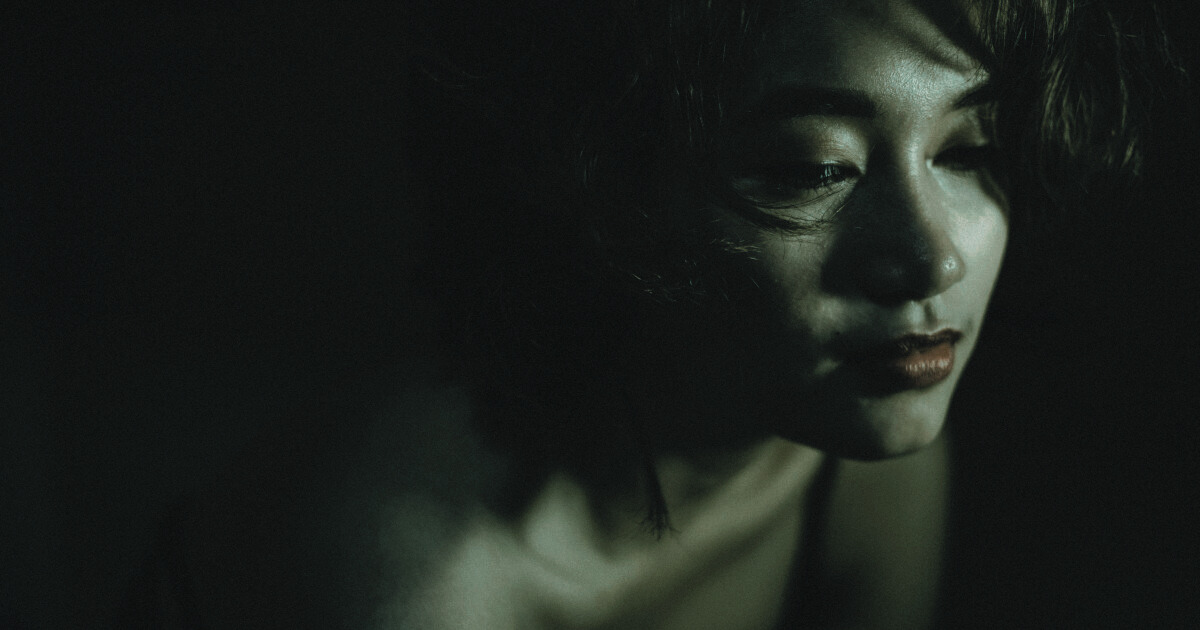
How do we heal emotionally after a miscarriage? To lose a baby is something that happens so often, and yet so rarely spoken about, especially around the grieving. Why do we not speak about it? And when it is spoken about, it’s hush-hush, swept under the rug, or spoken about in whispered tones. Why?
The hidden grief of miscarriage
I lost my baby at 9 weeks. Years later, after the birth of two healthy daughters, that memory is still achingly raw. Yes, it was a small baby. People were alarmingly quick to downplay my feelings by telling me exactly that … that it was so small, so “unborn” … that miscarriage is “as common as the cold”. As common as the cold. Someone actually said that to me … and that I should “get over it” because it was “nothing major” and “quite everyday”. But it wasn’t everyday. Not to me. I had dreams and hopes for that little soul.
No words can take away the pain, the sense of loss and terrible sadness that envelops your mind and body when you miscarry your baby. It is the closest I have ever come to wanting to end it all. My husband and eldest daughter carried me through that dark period of my life; I don’t want to think about where I would have been without their understanding, their love and support.
I needed time to mourn
As they wheeled me out of theatre after my “evacuation”, my gynaecologist at the time assured me that I would be so fertile after this and that we would get pregnant in no time. It was the last thing I wanted to hear. But she wasted no time in getting me started on fertility treatments and I became fixated with wanting to “try again”. In retrospect, I realise that all I needed was time to mourn my loss.
That’s the only thing that can make your grief slightly better: time to heal. Not to forget, just to heal your body, your mind, your spirit. Even though time does not take away the memory. It’s still fresh in my mind. Little things remind me of that lost little soul, and in my mind and heart I still call her Lentil.
I will never forget her.
Why do they weigh grief as if on scales?
So why do people not speak more openly about losing unborn babies? Why are they so quick to brush it off? Why do they weigh grief as if on scales? It was only a dog, only a cat, an unborn child, an old woman. It doesn’t matter as much. Doesn’t count as much.
And so they avoid the topic and your life goes back to “normal” after your loss.
But loss is loss. There is no measure for it. And for those of us who have lost, that burden would be significantly less lonely and lighter to bear if those around us could just acknowledge it for what it is: a loss.
So please don’t ghost the woman who lost her baby
If someone you love has lost her unborn child, don’t ghost it, don’t ignore what has happened, don’t diminish her pain. Acknowledge it, speak about it. That little being that could one day have been a person in the world we all live and breathe in was already a complete person in her mother’s heart.
Tell her that you’re sorry for her loss, tell her you’re sending love and light to her and her family. These are simple words that will help ease our grief so that, in time, we can start to heal emotionally.
Further reading …
You don’t have to be in a hurry to be okay. In “When Will The Grief End?”, mental health advocate Sabine NLD Bittle writes how she thought she was done with her grief, but that her grief wasn’t done with her.
“My life just didn’t fit anymore. I felt like unseen hands were gripping me tight and holding me back. I felt trapped and stuck and useless. Hollow and wrong. There was a constant, squirming, deeply uncomfortable feeling that my life just didn’t fit anymore, and I was utterly unable to muster even the tiniest bit of enthusiasm for any of the things that I used to fall into with such unfettered joy. This wasn’t the text book definition of depression. As someone who lives with bipolar disorder, I know depression, and I know it well. This was something different.
But still, I thought that because I couldn’t get it together it meant that I was weak, that I had no willpower or self-control. And I so desperately wanted to be okay that I started going all army-commander on myself, bossing myself into tight little corners of form and function in a frenzied attempt to create some kind of order again, something familiar. But no matter what I did, I just would not fit into any of my old boxes.
And that’s when I realised the grief was still there …”
Read more in “When Will The Grief End?”